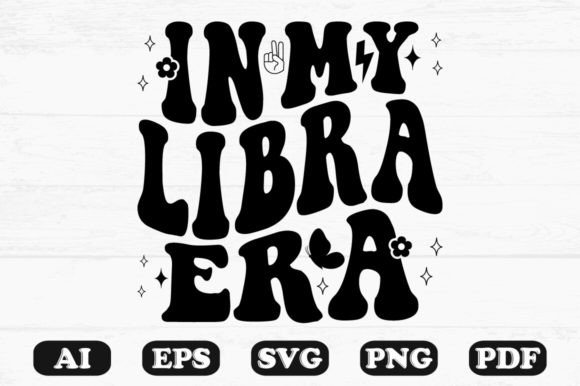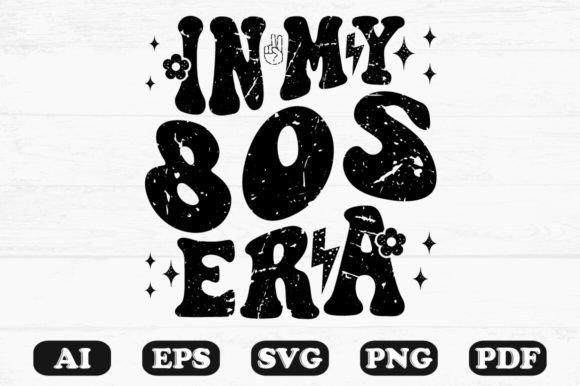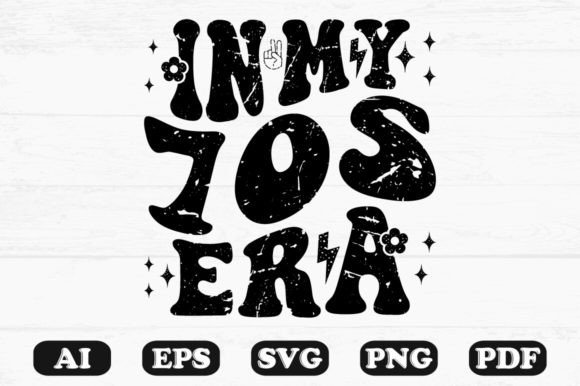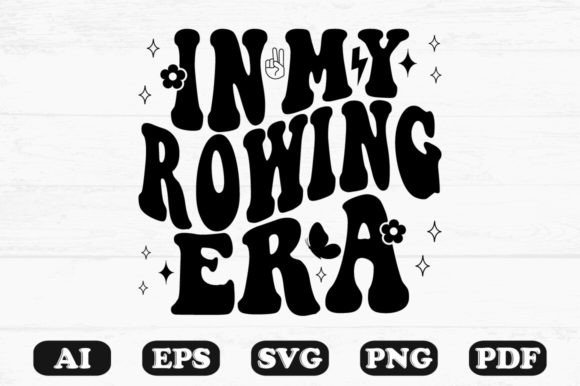
In My Testing Era Retro Wavy SVG: A Designer’s Honest Take
As an experienced embroidery designer and product reviewer, I’ve tested countless SVG files for real-world use. The In My Testing Era Retro Wavy SVG caught my attention not just because of its nostalgic appeal but also due to its unique wavy text layout that stands out from the usual flat or block-style typography. Here’s how it performed in practical applications and what you should consider before using it on your next project.
First Impressions and Visual Personality
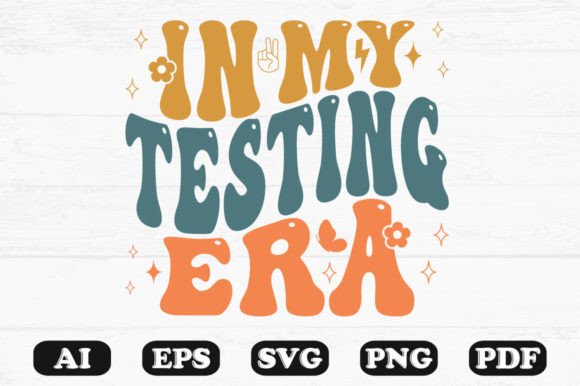
The moment I opened the design, I was drawn to its soft, flowing curves and vintage aesthetic. It has a distinct retro vibe—think 70s record store posters or old-school coffee mugs with bold, stylized lettering. The wavy structure gives it movement without being too chaotic, and the spacing between letters feels intentional, which is a big plus when translating into embroidered form.
This isn’t a minimalist design by any stretch. It leans into boldness and character, making it ideal for projects where visual impact matters more than subtlety. If you’re aiming for something that feels like a throwback but still modern enough to resonate with today’s audience, this design could be a great fit.
Where This Design Naturally Fits
- Tote bags: The design’s size and style work well on larger surfaces. When applied to a cotton canvas tote, it felt like a statement piece rather than background decoration.
- Sweatshirts and hoodies: The texture of these garments complements the wavy, layered look of the SVG. It adds personality to cozy winter wear.
- Boutique branding: As part of a small shop’s logo or promotional item, the design brought a sense of charm and authenticity.
- Embroidered patches: With some adjustment in stitch density and fabric choice, it transformed into a wearable art piece that stood out on denim jackets and backpacks.
- Custom apparel for events: Whether used for a music festival giveaway or a retro-themed boutique launch, the design added flair and nostalgia.
Real-Life Embroidery Performance
When evaluating an embroidery file, I always test it on actual materials before finalizing a project. The In My Testing Era Retro Wavy SVG held up surprisingly well across several mediums. On medium-weight cotton tees, the satin stitches defined the waves beautifully, while the fill areas maintained clarity even after multiple washes.
One standout feature is how the design adapts to different thread color combinations. While the default palette included warm earth tones, swapping them out for pastels or metallic shades gave the design new life. It’s versatile in that way, which is essential if you plan to offer variations for your customers.
I also tested it on a baby onesie for a personalized gift. The softer edges and rounded type made it feel gentle and approachable, perfect for little wardrobes. However, the same detail that makes it charming can become tricky when working with smaller formats.
When to Use Carefully
Despite its strengths, there are situations where this design might not perform as expected. Here’s a breakdown of the scenarios where caution is key:
- Small hoop sizes: The wavy nature and extended characters make it unsuitable for anything under 5 inches. You’ll lose critical details and risk misalignment.
- Stretchy fabrics: Stretchy knits like spandex blends can distort the wave patterns during stitching unless properly stabilized.
- Thin or delicate fabrics: The density of the design may cause puckering or tearing on lightweight materials like rayon or thin linen.
- Dark backgrounds: Without high-contrast thread colors, the design can appear muted or washed out. Always do a black-and-white mockup before proceeding.
- Curved surfaces (e.g., caps or hats): The elongated shape of the text doesn’t wrap neatly around round objects. Consider resizing or repositioning it carefully.
- Products requiring frequent washing: Dense stitch areas might lead to stiffness over time. Lighten the stitch density slightly if durability is a concern.
Impact on Product Value and Customer Appeal
What sets a good embroidery design apart from a great one is how it enhances the finished product. The Retro Wavy SVG elevates items with a handmade, artisanal feel. It’s especially effective for Etsy sellers and small craft businesses looking to differentiate their offerings in a crowded market.
From a customer perspective, the design has strong giftability. People often gravitate toward designs that evoke memories or have a timeless quality. The retro theme taps into that emotional connection, and the waviness adds a dynamic touch that feels both playful and sophisticated.
On a commercial level, the design helps maintain brand consistency if you're going for a vintage or bohemian aesthetic. It’s recognizable and repeatable, so using it across products like aprons, tea towels, or pillow covers can help build a signature look for your business.
Professionalism and Presentation
While it’s undeniably stylish, the design does require a bit of finesse to stitch professionally. I noticed that corners and tight curves needed extra attention to avoid distortion. Using a stabilizer like tear-away or cut-away became essential, especially on thicker or textured materials like flannel or canvas.
For digital product sellers, the SVG format works seamlessly with printable mockups. The layering and font choices translate well into preview images, helping buyers visualize how the design will look on their chosen garment or item.
Designer Notes for Real Projects
If you’re planning to use In My Testing Era Retro Wavy SVG in your own embroidery projects, here are a few tips to keep in mind:
- Test on scrap fabric first: Especially if you’re using it on a new material or for a client order. This ensures you catch any issues with tension or alignment early.
- Check thread color contrast: Darker fabrics need lighter threads to stand out. Conversely, light fabrics benefit from rich, deep hues.
- Review stitch density: Adjust based on fabric weight. Too dense, and it becomes stiff; too sparse, and it loses definition.
- Confirm hoop size: Make sure your hoop can accommodate the full design without cropping important elements.
- Inspect small details: Look at the inner curves and corners to ensure they won’t break or misalign during stitching.
- Use proper stabilizer: For cotton or linen, tear-away is usually sufficient. For stretchy or heavy materials, opt for cut-away or no-woven options.
- Test in black and white: This helps you assess how the design looks without color bias, ensuring it reads clearly on all backgrounds.
- Compare light and dark fabric versions: Sometimes a design looks amazing on a white shirt but gets lost on a navy hoodie. Do both tests.
- Confirm licensing for commercial use: Before selling finished products or digital assets, double-check whether the design allows for resale or commercial embroidery.
Final Thoughts for Crafters and Entrepreneurs
The In My Testing Era Retro Wavy SVG is a solid addition to any embroidery designer’s toolkit, particularly for those who focus on vintage-inspired or typographic-driven crafts. It’s not a one-size-fits-all solution, but when used in the right context—like a tote bag for a retro-themed boutique or a holiday gift tag—it shines.
Its strength lies in its ability to bring warmth and character to handmade and custom products. But remember, the success of the design depends on thoughtful execution. Choose the right fabric, stabilize appropriately, and adjust stitch settings to match the material you're working with.
Whether you're a hobbyist looking to add some personality to your DIY projects or a small shop owner wanting to boost your crafts and graphics offerings, this SVG offers a fresh take on retro aesthetics. Just go into it with a clear understanding of its needs and limitations.
Overall, I’d say it's a reliable embroidery file that balances style with usability—if you know how to handle it. So, give it a try, but don’t skip the prep work. Your customers (and your machine) will thank you.